
Quick answer
Choose the experience before the ship. A dockside gathering gives guests time for history and conversation. A sailing or powered harbor trip puts the vessel’s operation at the center of the schedule. USS Midway offers aviation-focused visits and events aboard a permanently moored aircraft carrier. Match the format to the guests, then confirm the particular space, access route, hospitality and operating arrangements.
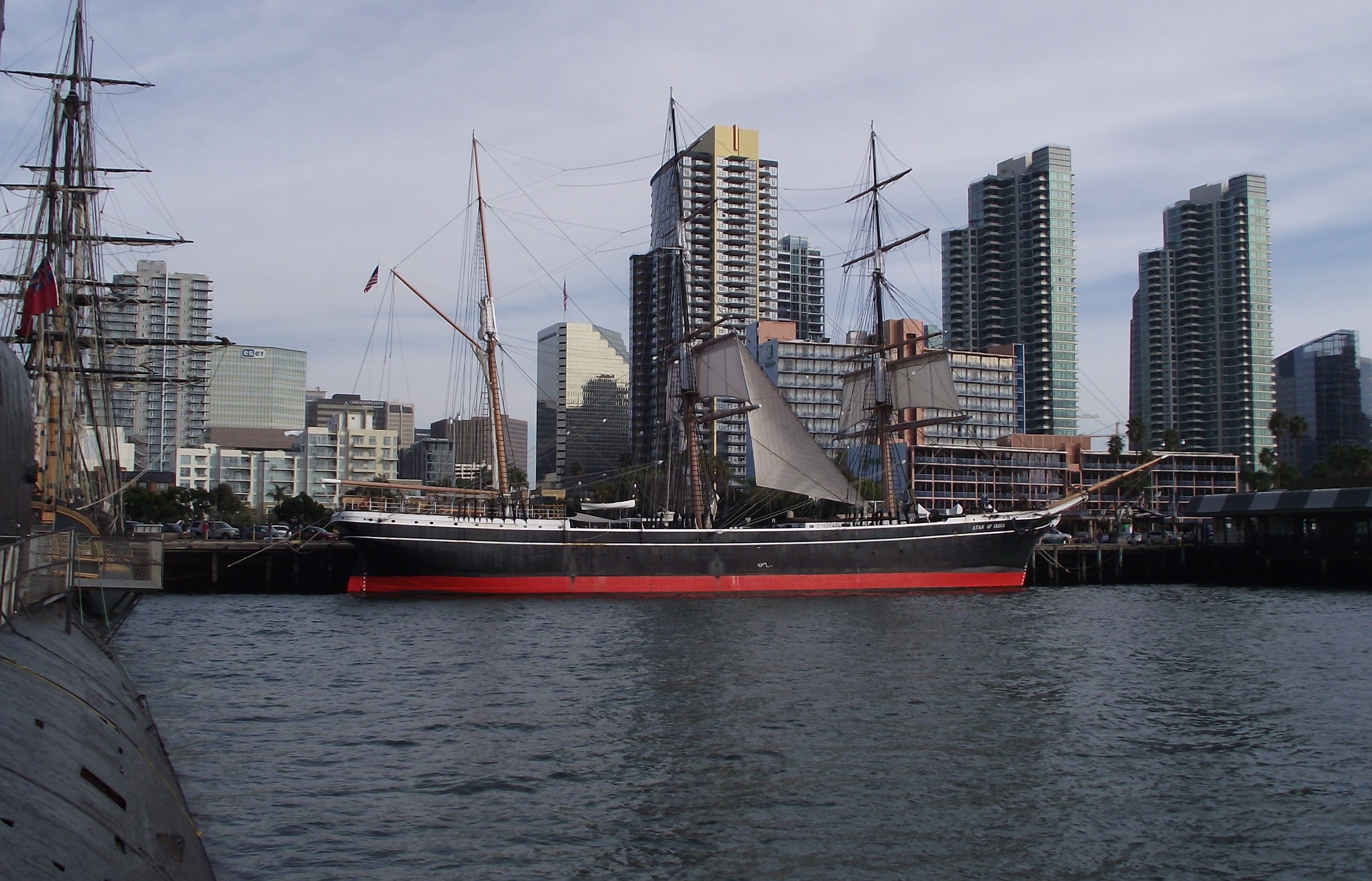
Begin aboard Star of India
Built in 1863, Star of India brings a different kind of presence to a company gathering. Her masts and rigging belong to a ship that carried people and cargo across oceans. Guests are stepping into a surviving vessel’s story, with the waterfront around them and a working maritime vocabulary to discover.
The Maritime Museum of San Diego describes her as the “world’s oldest active sailing ship.” Originally named Euterpe, she later carried emigrants to New Zealand. The museum says she still sails with a volunteer crew.
That history gives a host something worth making time for. A short introduction can help guests understand the ship before conversation turns to their own work. It also creates a reason to look up from a reception table and ask how the vessel was used, preserved and kept sailing.
For corporate planning, treat Star of India here as a dockside setting. Her active sailing status does not establish a routine private sailing-charter offer.
Stay dockside, give the history room
The museum’s corporate-event venues include Star of India and Berkeley, the 1898 ferryboat. Berkeley offers a different atmosphere: stained-glass windows, carved wooden seating and open-air decks. It is a useful direction to investigate when hospitality and a shared indoor setting matter as much as being aboard a ship.
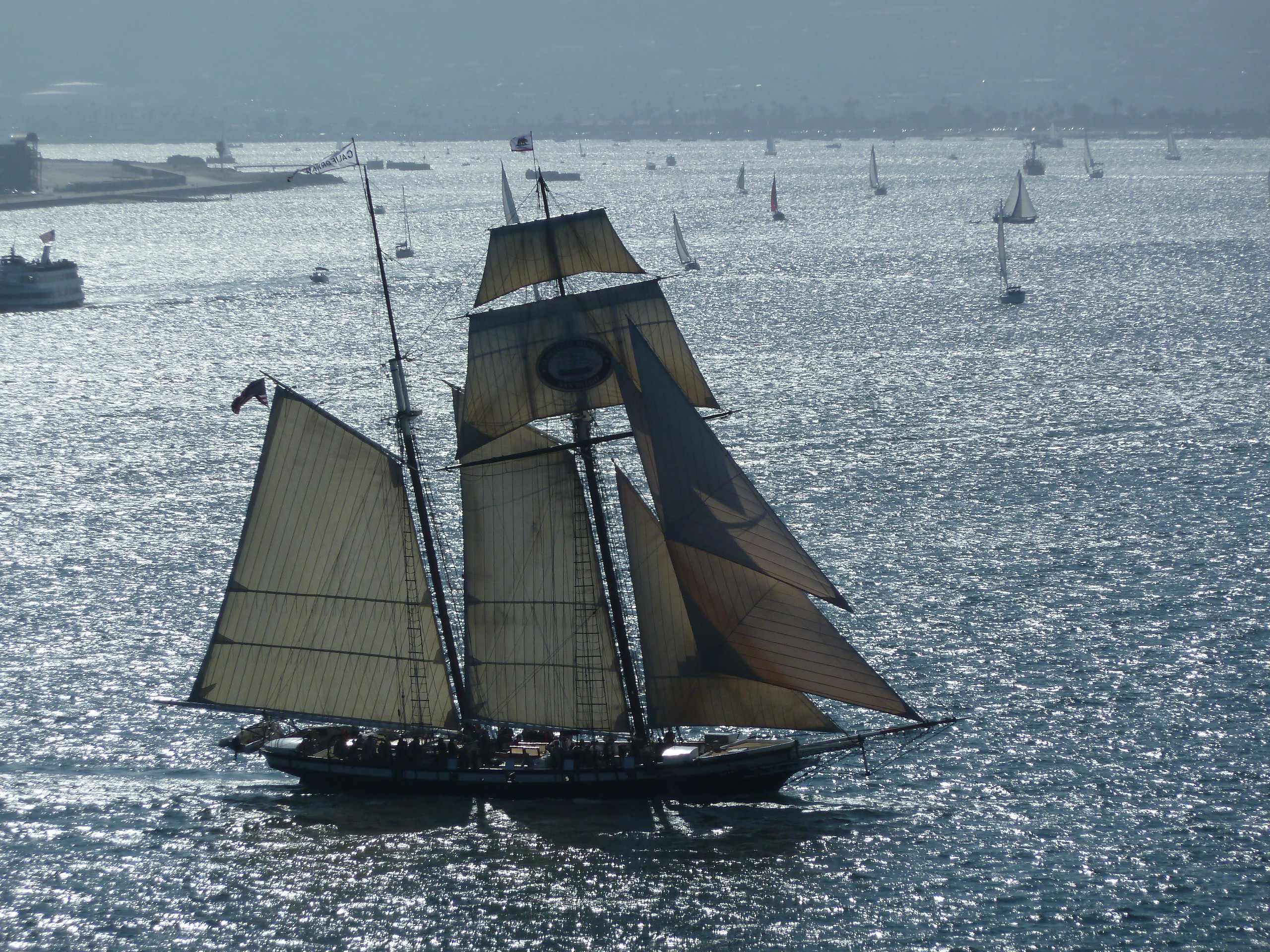
Californian can be considered for an intimate dockside event as well as a sail. San Salvador is also listed for cocktail and dinner events. These are modern replicas interpreting earlier vessels: Californian represents an 1847 revenue cutter, while San Salvador recreates Cabrillo’s sixteenth-century flagship. Star of India and Berkeley are surviving historic vessels.
For a client reception, the proposed sequence could be simple: a welcome, a hosted introduction to the vessel, then refreshments and conversation in an agreed space. Confirm guided interpretation separately from the room or deck booking. Guests should know whether they are attending a museum visit, a reception, or both.
“Living History, Private Company” is one JETFUEL concept to explore around that sequence. It is a proposed direction, subject to museum confirmation, rather than an available package. A small guest list alone does not establish private use of a ship.
Go sailing, or take a powered harbor trip
The Maritime Museum’s private-charter program identifies Californian, San Salvador, Pilot and PCF 816 Swift Boat. Its charters include captain and crew. Their different designs and operating formats should guide the brief.
Californian and San Salvador are the sailing choices. Californian’s schooner rig and San Salvador’s galleon form offer different encounters with maritime history. The museum also advertises team-building programs aboard both. Ask what supervised participation is appropriate for your guests, what remains the crew’s responsibility and how someone who prefers to observe can take part in the day.
A proposed “Leadership Afloat” format could pair a suitable operator-led sail with a separately facilitated discussion afterward. Give that discussion a real business question and a comfortable setting. Sailing does not, by itself, demonstrate improved leadership. JETFUEL’s sailing team-day guide explores the participation brief in more detail.

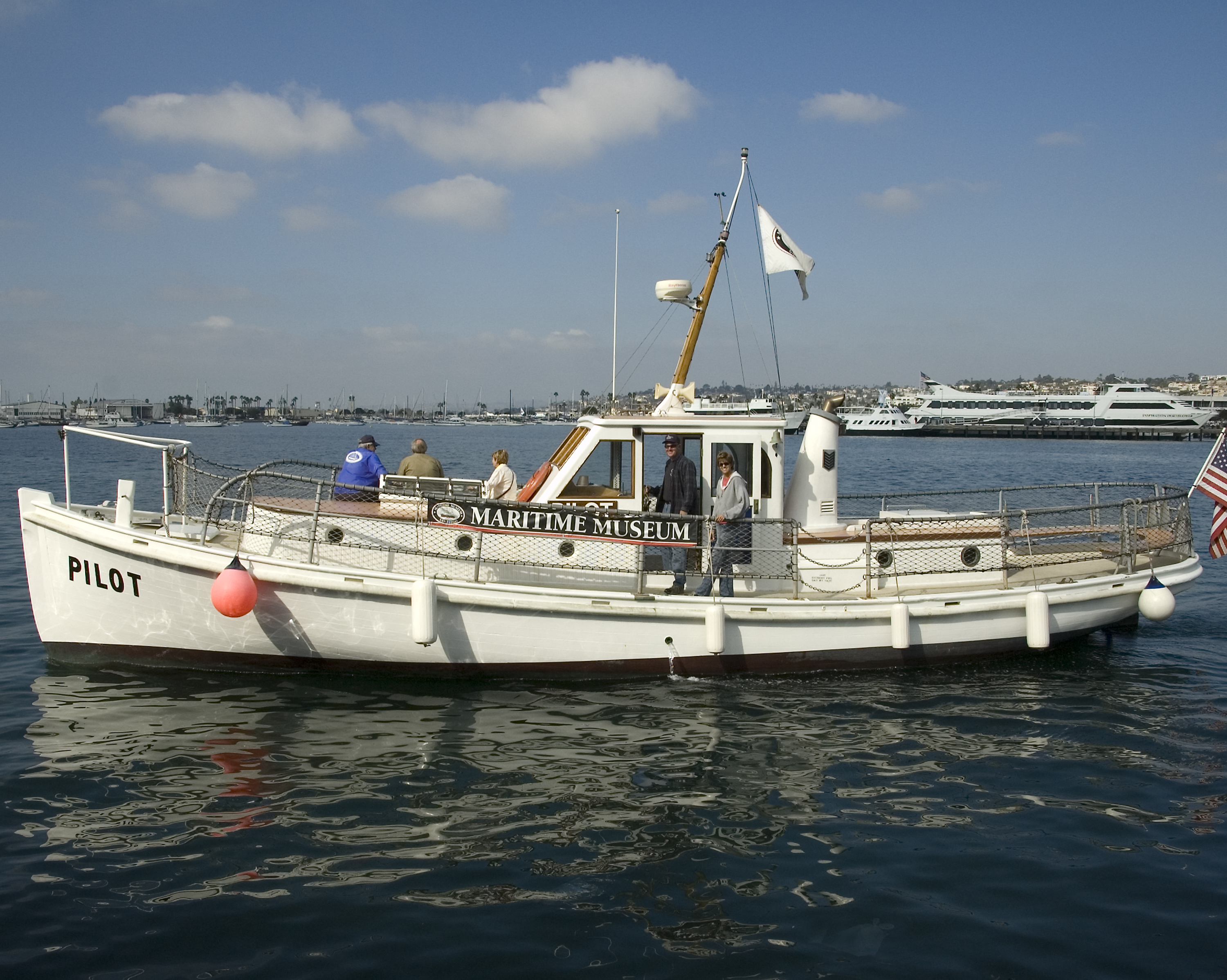
Pilot and the Swift Boat offer powered excursions. Pilot, launched in 1914, connects the outing to the work of San Diego’s harbor pilots. PCF 816 brings a naval-history focus and a different ride. These are distinct from the tall ships’ sailing experiences.
Public departures and private charters also need separate consideration. The museum currently describes a 45-minute public Pilot cruise, a 75-minute public Swift Boat tour and a four-hour public San Salvador sailing adventure. Those durations describe the advertised public products, not a promised private itinerary. Public tickets do not establish a dedicated vessel, a customized route or corporate hospitality.
For a tight schedule, count arrival, check-in, boarding and disembarkation as well as time underway. Pilot and the Swift Boat have no onboard restrooms, according to their respective tour pages. That detail may influence the choice more than the vessel’s appearance.

Make room for the people behind the ships
The Maritime Museum’s volunteer program includes sailing, maintenance and docent roles. Preservation is ongoing work, and those roles are part of what makes this collection more than a waterfront backdrop.
Ask whether the proposed visit can include an appropriate introduction from someone who interprets or works with the collection. A question about caring for rigging or preparing a vessel for operation can be more interesting than a scripted business analogy. Specific people, demonstrations and behind-the-scenes access need confirmation; maintenance activity is not an entertainment service.
Keep the vessel’s history intact. A company can enjoy a shared experience without turning every historical detail into a lesson about office performance.
Explore aviation history aboard Midway
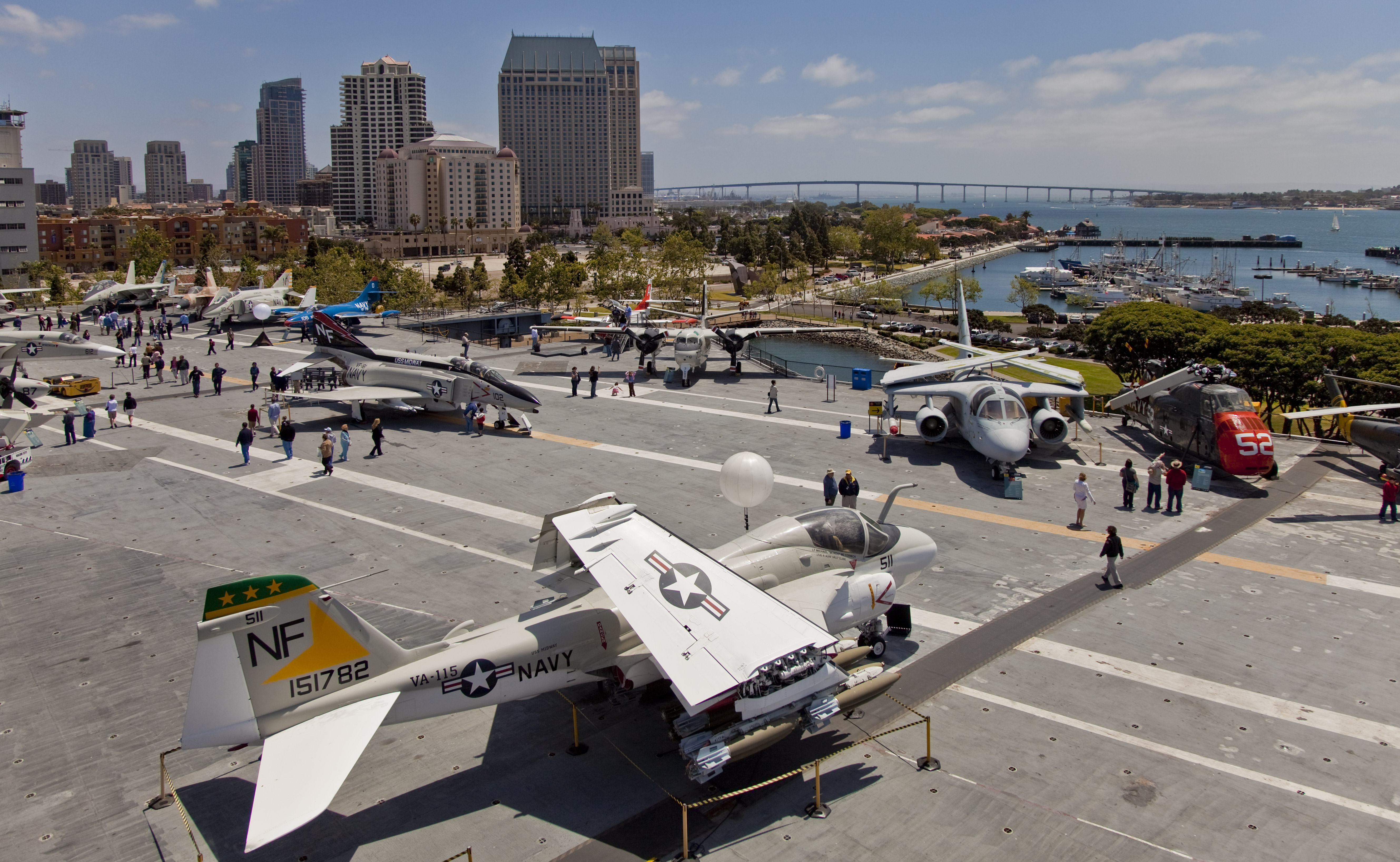
The USS Midway Museum offers a complementary experience aboard a retired aircraft carrier, permanently moored at Navy Pier. It is an aviation-history setting for a visit or event, not a harbor cruise.
For visiting executives or a client group, a private docent-led tour can provide a focused introduction. Midway’s docents are volunteers, and the museum limits tour days and times. The assigned docent selects the areas visited according to group size and space availability. A private tour should not be described as unrestricted access.
For a working session, Midway lists daytime meeting options, including the USS Langley and USS Ranger conference rooms. These offer a different starting point from a reception on an open deck: define the meeting’s seating, presentation and confidentiality needs first, then consider a tour as a separate element.
For larger gatherings, its evening-event spaces include the Flight Deck and Hangar Deck. Aircraft and the carrier’s architecture give the occasion its context. Confirm the exact event footprint, public access arrangements and which exhibits or activities, if any, form part of the booking.

Choose around the guests
- Client conversation and hospitality
A dockside historic-ship visit and reception
Resolve first: Guided content, private-use area, seating, sound and food service
- Shared participation
An operator-led Californian or San Salvador sail
Resolve first: Guest roles, observation options, boarding, motion and weather decisions
- Harbor history within a defined outing
Pilot or PCF 816
Resolve first: Appropriate ride, exact duration, access and restroom arrangements ashore
- Aviation interest and a working agenda
A Midway tour and separately scoped meeting
Resolve first: Tour availability, room requirements and transitions
- A larger evening gathering
Midway Flight Deck or Hangar Deck
Resolve first: Configuration, guest flow, production, catering and weather exposure
Group size must be reconciled with the actual arrangement. A vessel’s underway passenger allowance, dockside reception layout and seated dinner plan are not interchangeable. Ask for the relevant configuration rather than planning from a headline capacity.
Mobility needs should shape the choice early. The Maritime Museum’s published access guidance identifies vessel-specific limitations, including restrictions for wheelchair boarding on PCF 816 and advance arrangements for Pilot. Midway lists elevators and accessible restrooms, but those features do not establish that every tour route or meeting room will suit every guest. Review the complete journey with the operator, including gangways, thresholds, seating, restrooms and a workable alternative where needed.
Hospitality also needs its own brief. Establish where food and drinks may be served, who supplies them, how dietary needs will be handled and whether guests will have comfortable time to eat. A public excursion is not automatically a catered client event.
For exposed decks and trips underway, agree the operator’s weather decision process and the consequences for the rest of the program. Confirm shelter, an alternative arrangement and notification timing before sending invitations.
Give a two-museum day enough time
“Two Eras of San Diego” could combine a focused Maritime Museum visit with a Midway experience. Treat it as a proposed itinerary with separate arrangements, allowing for the transfer, boarding, a meal and time to explore. Choose a few meaningful elements instead of trying to cover every ship and exhibit.
The museums’ visitor-ticket cross-promotion does not establish a joint corporate package. Nor should a busy sightseeing itinerary be presented as a leadership program. If a working discussion matters, our museum leadership-offsite guide explains how to give it separate time and space.
For groups whose main interest is marine life or environmental learning, the ocean team-experience guide offers a different starting point.
Bring JETFUEL the occasion
Share your preferred dates, group size and objectives with the JETFUEL Project Desk, together with mobility needs, available time and the hospitality you have in mind. The appropriate format can then be scoped with the operators, including guest coordination, transport, production and any separate facilitation.
The aim is a gathering that lets people enjoy the place they came to see, with the practical arrangements supporting that experience.