
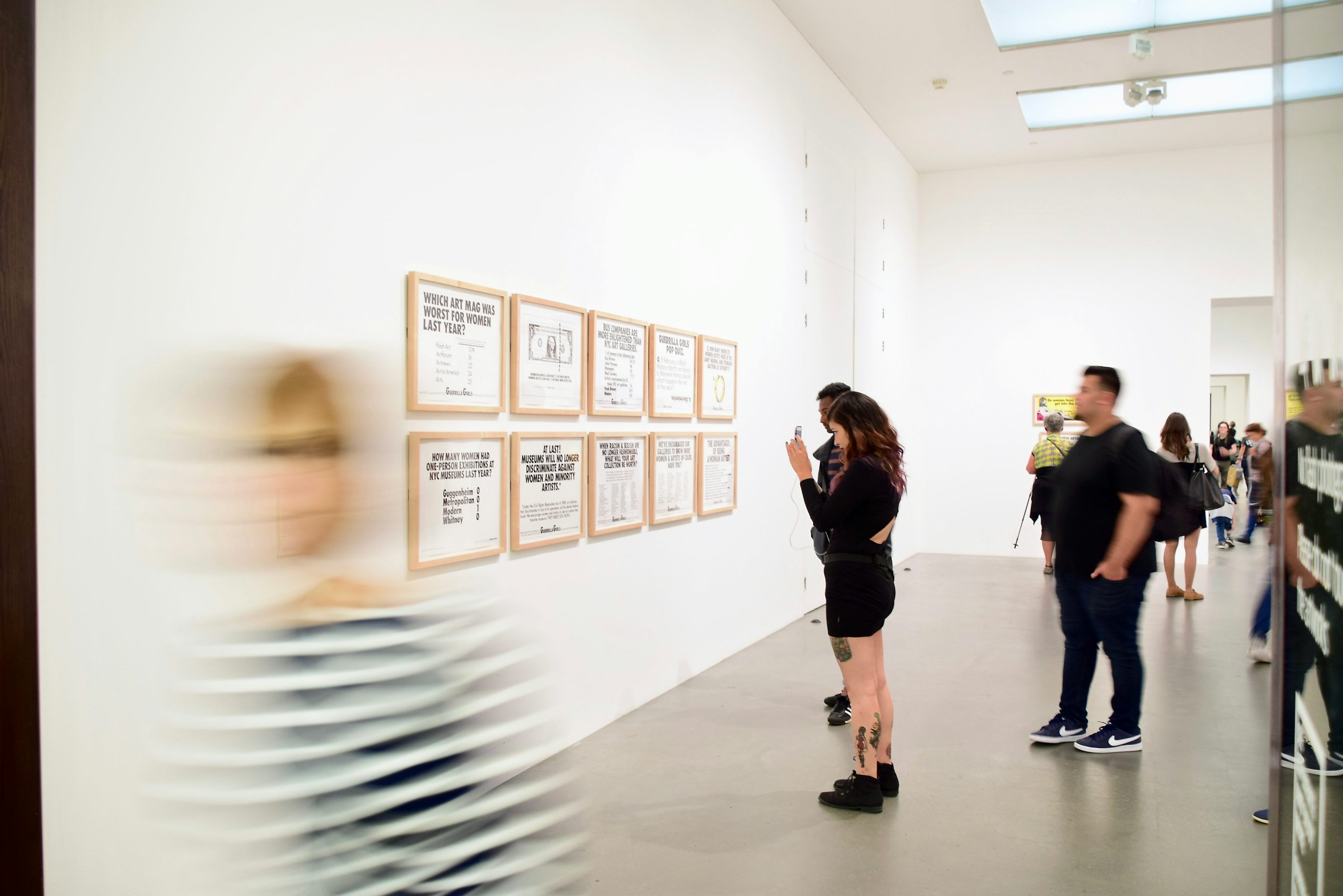
Quick answer
Choose whether the museum visit is a shared cultural experience or the starting point for a facilitated discussion. Give the art proper attention, arrange an appropriate setting for any working session, and connect the discussion to a question the leadership team actually needs to address.
A museum visit can give a leadership group something interesting to do together before returning to a working conversation. Colleagues spend time with art, hear its context and encounter details they might otherwise have passed by.
For an offsite, the useful planning choice is how the visit connects to the rest of the day. Some groups simply want a cultural experience and time together. Others want to follow it with a facilitated discussion. Both can work, but they need different briefs.
The gallery provides a shared experience. A separate discussion gives the team room to consider its own work. Neither needs to carry the entire agenda.
Start with the group and its purpose
This direction may suit a leadership team welcoming new colleagues, a cross-functional group exploring how it reaches decisions, or visiting executives who would enjoy a cultural element in their San Diego program.
Begin with their interests and participation needs. A museum visit should not become a test of art knowledge, taste or confidence in public speaking. Make it clear that people can enjoy the experience without producing an impressive interpretation.
If the group needs to resolve a difficult operating issue, protect enough time for that work. If the purpose is appreciation, a thoughtful visit and a shared meal may be the complete experience.
Give the art proper attention
In Balboa Park, The San Diego Museum of Art offers docent-led visits and private group tours by appointment. It is one setting to consider, subject to the museum’s confirmation of the proposed arrangements.
A useful visit could focus on a small selection of works rather than attempting to cover every gallery. Participants might spend time with a work, hear from the guide and compare which details caught their attention. Allow questions and moments of quiet as well as conversation.
Let the guide establish the historical and cultural context. The artwork has its own meaning and deserves more than a quick comparison with an office problem. Agree any discussion activity with the museum in advance, including where it can happen without obstructing other visitors.
No particular exhibition, guide or private access should be promised before it is confirmed.
Plan the transition out of the galleries
An illustrative half-day could combine three elements:
- A guided visit: a focused selection of art, with time to look and ask questions.
- A comfortable break: refreshments or a meal arranged in a suitable location, with room for informal conversation.
- A facilitated session: one working question chosen in advance, held where the group can sit, hear one another and discuss it appropriately.
Treat those as separate requirements when scoping the day. Museum admission does not establish that a private meeting space, meal or facilitator is included.
Keep confidential discussion out of public galleries. A separately booked room or the group’s existing offsite venue may be more suitable. Leave enough transition time that the visit does not end in a rushed walk to the next meeting.
Bring one useful question back to work
The connection to leadership can be modest and concrete.
During the visit, colleagues may notice that they focused on different details or changed their first impression after hearing more context. A facilitator can ask how the team makes room for those differences when reviewing a proposal.
For example, take a decision the group already needs to consider: whether to introduce a new service. Ask each function what information it would need before supporting the proposal. Compare the answers, identify what is missing and agree who will obtain it.
That working exercise stands on its own. The visit provides a shared reference point, not proof that the group has become more creative or better at decisions. Do not use people’s responses to art as a personality assessment or a measure of leadership ability.
Close with a specific next step and an owner if the session calls for one. For a cultural appreciation outing, simply leave space to enjoy the conversation.
Check the complete guest journey
Review arrival, walking distances, seating, restrooms and the move to the discussion space. Ask privately about access requirements, including how guests will hear the guide or engage with visual material.
The museum publishes accessibility information, including its ramp entrance, accessible restrooms and interpretive resources. Use that as a starting point for checking the actual route and arrangements, not as confirmation that every proposed activity will suit every participant.
Confirm group arrangements, opening times, photography and food rules before issuing the invitation. Include a clear meeting point, a reachable host and an appropriate alternative if part of the program cannot proceed. Follow museum staff instructions and keep circulation routes clear.
Build the brief around the conversation you need
JETFUEL’s Team Experiences include individually scoped leadership engagements. A museum visit with a separately facilitated discussion is one possible direction to explore, with the setting, facilitation and hospitality developed around the group.
Bring your preferred dates, approximate group size, interests, access requirements and the purpose of the offsite to the Project Desk. Most importantly, decide whether you want shared cultural time, a working session, or a considered combination of both.