
Quick answer
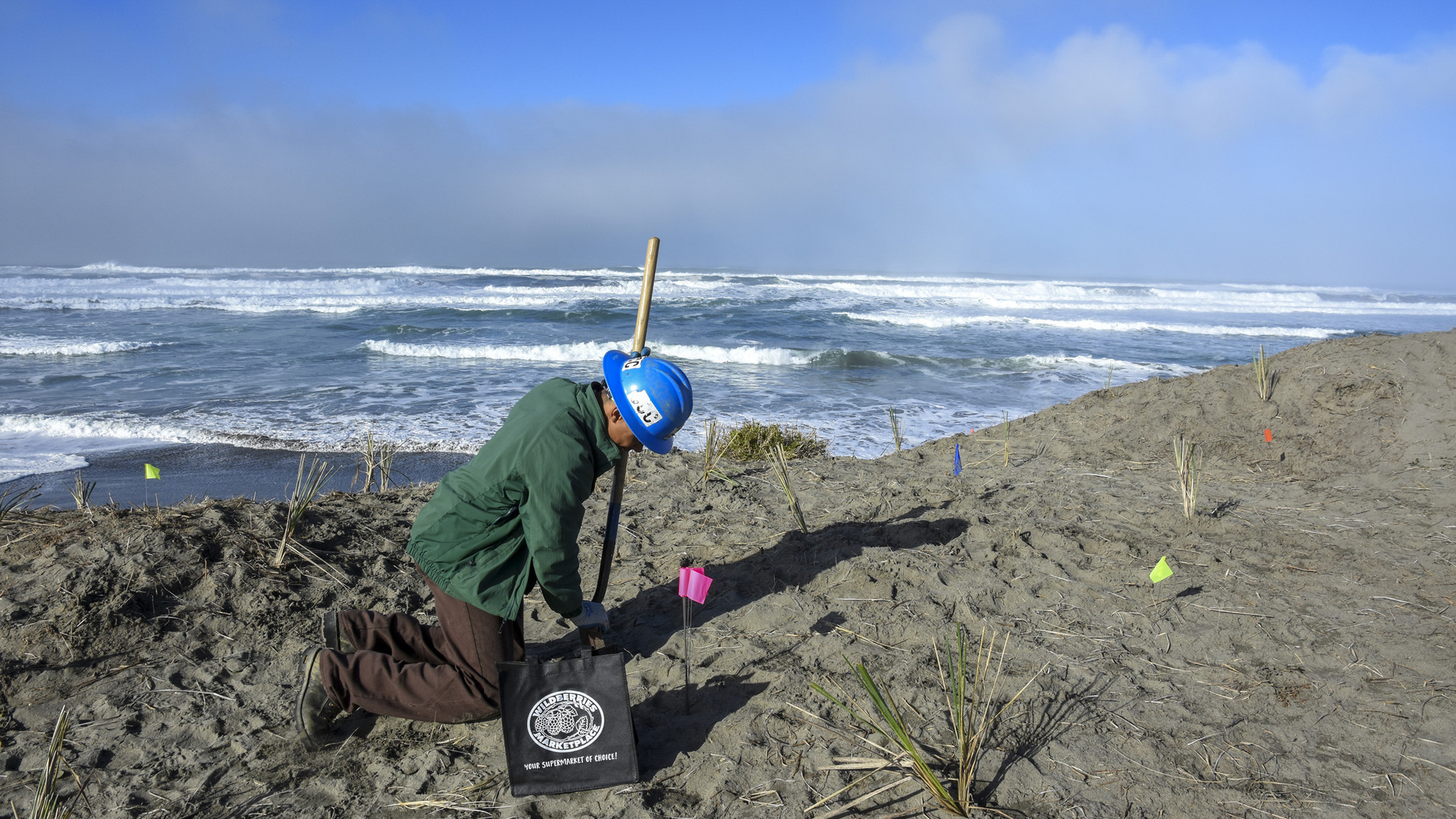
Start with the work a conservation host needs done. A coastal habitat-care day could involve native plant care, supervised weeding or nursery tasks, followed by time together. Confirm the task, group capacity, access and supervision before choosing the final format. Planting should be included only when the host’s plan calls for it.
A team day can give colleagues a closer connection to the place where they work. Along San Diego’s coast, that could mean learning why a native plant belongs in a particular habitat, helping care for an agreed area and sharing lunch after a morning outside.
For a company volunteer day or the outdoor portion of an offsite, the attraction is a practical shared task. People have something to do together and something specific to ask about. The planning starts with a question for the conservation host: what would be useful for this group to contribute?
Let the habitat set the task
A planting day is easy to picture. The work needed on a particular date may look different.
Nature Collective describes habitat volunteering that includes removing invasive plants, watering, monitoring and nursery assistance. The San Diego Bay Refuge Stewards program also describes native planting and other hands-on habitat work.
These are examples of local conservation activity to explore. A public volunteer program does not establish that a private company group can be accommodated on its preferred date.
Ask the host which tasks suit first-time participants, how many people it can supervise and what preparation it needs from the company. Let that answer shape the invitation. If plant care is the priority, a day spent watering or tending established plants can have a clear purpose without promising everyone a new seedling to plant.
Give the day a social rhythm
An illustrative format could open with a short welcome from the conservation lead: what lives here, what the group will help with and which areas must remain undisturbed.
After a demonstration, colleagues could work in small groups on assigned tasks, with pauses for questions and rest. Finish the field session with the host’s recap, equipment return and cleanup before moving to a separately arranged lunch.
Keep the hospitality easy to enjoy. Allow time to wash up, change shoes if needed and reach the meal without rushing. A comfortable place to sit and talk gives people room to continue conversations started during the activity.
For a leadership group, one short discussion could explore how the team handled unfamiliar instructions or divided responsibilities. A staff appreciation day may need only the environmental recap and time together.
Make participation part of the brief
Discuss the actual terrain and tasks before inviting the group. Check walking distances, slopes, kneeling or lifting, restroom access, shade, seating and the route from transport to the work area.
Ask participants privately about access needs and preferences, then resolve suitable roles with the host. Nursery preparation or recording work may be options where the program needs them and the setting works. Do not promise those alternatives before they are confirmed.
The Refuge Stewards guidance asks volunteers to raise accommodation needs in advance and recommends clothing suited to outdoor work, sun protection and water. Use the selected host’s instructions to prepare the guest information and equipment plan.
Participants should work only within assigned areas and follow the conservation lead’s plant identification and tool guidance. The brief should name who handles weather or site-condition decisions, first aid, stopping work and any revised plan.
Budget for the host’s work
An organized company visit needs coordination. Ask what staffing, materials, preparation or financial contribution the host requires. Settle who supplies tools and protective equipment, handles transport and manages the group’s arrival.
Agree on photography too. Keep any company remarks or group photograph within the host’s approved plan and allow enough time to complete the work.
For the follow-up, record the task completed and any quantities the host can verify. A volunteer session is a contribution to an ongoing program; broader habitat outcomes need evidence beyond attendance or a photograph. A repeat visit may be worth exploring if it fits both the host’s needs and the company’s calendar.
Bring the idea to life
JETFUEL’s Team Experiences are individually scoped around the group and its objective. A supervised habitat-care day is a concept to explore within that approach, with the conservation activity and event arrangements confirmed in the brief.
Bring your approximate group size, preferred dates, participation needs and plans for time together to the JETFUEL Project Desk.